Vertex baldness, also known as male pattern baldness, is a common form of progressive hair loss that occurs in men. It is characterized by a receding hairline and thinning of hair on the crown of the head, leading to a bald spot or patch.
While hair loss is normal as people age, vertex baldness is caused primarily by genetics and hormonal changes.
What Causes Vertex Baldness?
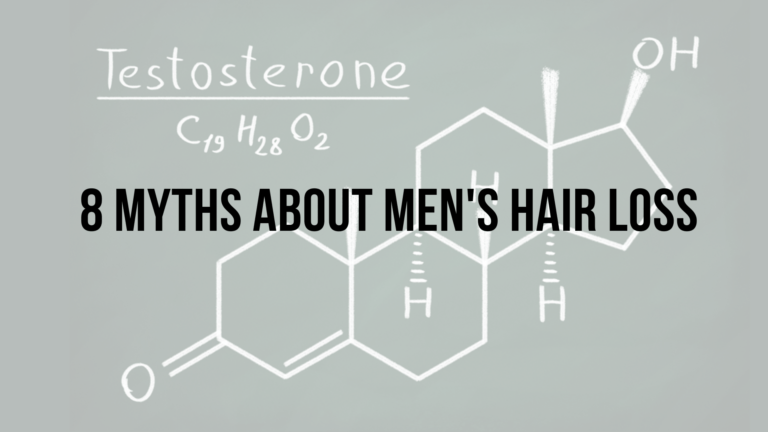
Vertex baldness is linked to dihydrotestosterone (DHT), a hormone that is converted from testosterone with the help of an enzyme called 5-alpha reductase. DHT causes the hair follicles on the scalp to shrink, resulting in shorter, finer hairs. Eventually the follicle stops producing hair altogether.
Genetics play a major role as well. If your maternal or paternal grandfather experienced severe vertex baldness, you have a higher chance of experiencing it too. The gene can be passed down for generations before it manifests in an unlucky recipient.
In addition to genetics and DHT, other factors like stress, smoking, and illnesses may exacerbate vertex baldness. The natural aging process can also play a role, as hair follicles shrink over time.
Identifying Vertex Baldness
Vertex baldness can start as early as puberty or the late teens. It is identified by a receding hairline, especially at the temples and crown.
Eventually the thinning spot spreads, leaving an “M” shaped patch of hair loss at the top of the head. For some men the vertex bald spot increases in size over time until the entire top of the head is bald.
Typically the sides and back of the scalp are not affected. Vertex baldness also does not cause complete hair loss. Men are left with a frame of hair around the sides and back of the head, along with thinning hair on top.

Treatments for Vertex Baldness
While vertex baldness is largely genetic, there are medical treatments that can help slow or reverse hair loss:
- Finasteride – This prescription medication blocks DHT production to stop androgens from damaging hair follicles.
- Minoxidil – Available over the counter, this topical solution helps regrow hair by increasing blood flow to the scalp.
- Low level laser therapy – Wearable lasers like the iGrow helmet stimulate cellular activity in follicles.
- Hair transplant – Hair from the sides and back is redistributed to the thinning spots on top.
Making lifestyle changes like eating a balanced diet, reducing stress, and quitting smoking may also help slow genetic hair loss. Ultimately learning to accept and embrace your natural hair is important for self-confidence.
Vertex Baldness vs Other Patterns
“Vertex” simply means the crown, the swirl of hair at the top and back of your head. Vertex baldness is the version of pattern hair loss that starts there, rather than at the hairline. It often goes unnoticed for a while for one obvious reason: you cannot see the back of your own head. Many men first spot it in a photo someone else took, or in a two-mirror reflection. That is different from frontal balding, where the receding hairline stares back at you every morning.
Early Signs of Vertex Thinning
- More scalp showing through the crown swirl under bright or overhead light.
- A small round patch that seems to widen slowly over months.
- Shorter, finer hairs at the crown compared to the thick hair lower down the back.
- Sunburn on the crown after time outdoors, a sign the coverage has thinned.
Catching it at this stage matters, because crown hair responds best to treatment while the follicles are only miniaturized, not gone.
Vertex Baldness and Hair Transplants
If you are considering a transplant, the crown deserves a careful conversation with a surgeon. The crown is a notorious area: its swirling growth pattern needs skilled angling to look natural, and it can act like a “hair sink” that keeps expanding outward as you age. A good surgeon often prioritizes the hairline and mid scalp first, treats the crown conservatively, and asks you to be on medication to stabilize the surrounding hair. Going hard on a young, still-expanding crown can leave an island of transplanted hair surrounded by new loss.
Slowing It Down
The crown is actually one of the most treatment-responsive areas in pattern hair loss. The two evidence-backed options are minoxidil, applied directly to the crown, and finasteride, which lowers the DHT driving the loss. Used early and consistently, they can thicken the crown and hold the line. A dermatologist can confirm whether they suit you and rule out other causes such as thyroid issues or nutritional gaps.
Frequently Asked Questions
Is vertex balding worse than a receding hairline?
Not worse, just harder to spot early. Some research links a balding crown to other health markers, which is another reason to mention it to your doctor.
Can vertex hair grow back?
Miniaturized crown hair can thicken again with treatment. Follicles that have fully closed will not, which is why early action helps.
Why is my crown thinning but my hairline is fine?
Pattern hair loss does not follow one route. Some men lose the crown first, some the hairline, and some both. Genetics decide the order.
Conclusion
Vertex baldness is a common experience for men that can significantly impact self-image and confidence. Understanding what causes it and the available treatments allows men to take control and proactively address changes in their hair.