This is because the hair in this so-called Hippocratic crown has no testosterone receptors. It is this hormone that is involved in hair loss during successive growth and fall cycles.
These cycles, of which there are around twenty, vary from three to seven years. For some, they are shortened (sometimes to one year) due to a genetic propensity to baldness and the action of testosterone.
The distribution of hormone receptors is established when the fetal skull is formed. Women are not affected, as they produce less testosterone.
There is no official name for this appearance, but the terms “U-shaped” or “horseshoe” hairline are often used.
However, if the temples are only receding and have not yet disappeared, the term “M-shaped demarcation line” may be more appropriate, due to the pointed appearance at the front.
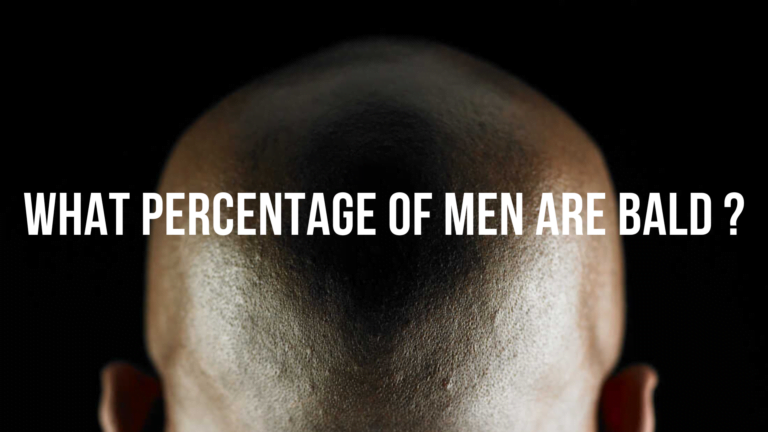
The term “horseshoe-shaped hairline” refers to the appearance of the hairline as seen from above in the more advanced stages of baldness.
The Science Behind the Horseshoe
That ring of hair around the sides and back is not random. It comes down to one hormone: DHT. Male pattern baldness happens because DHT shrinks hair follicles that are genetically sensitive to it. The follicles on the top and front of the scalp carry that sensitivity, so they thin and close over time. The follicles around the sides and back come from a different developmental origin and are largely DHT resistant, so they keep growing while the crown clears. That is why the pattern is so consistent from one man to the next.
Why It Matters for Hair Transplants
This is the whole basis of hair transplants. Because the back-and-side hair resists DHT, surgeons move those follicles to the bald areas, where they keep their resistance and continue to grow in their new spot. It is also why someone with very little donor hair around the horseshoe has fewer transplant options.
Can the Horseshoe Hair Fall Too?
For most men it stays put for life, which is exactly why it is the donor zone. In a minority of cases, or with conditions beyond ordinary pattern baldness, even the sides can thin. Age, illness, and certain medications can also affect it. But under typical male pattern baldness, the ring is the last hair standing.
The Horseshoe Is a Badge, Not a Flaw
Some of the most recognizable men in the world wear the horseshoe or have shaved past it: actors, athletes, and business leaders who turned the look into part of their presence. The ring of hair is simply the visible edge of a biological quirk, the boundary between DHT-sensitive and DHT-resistant follicles. Once you understand that, it stops feeling like something going wrong and starts looking like what it is, a normal and very common pattern. Whether you keep a tidy fringe of hair or take the clippers all the way down, the choice is yours, and both can look great when worn with confidence.
Frequently Asked Questions
Why doesn’t the hair on the sides go bald?
Those follicles are resistant to DHT, the hormone that drives pattern baldness on the top of the head.
Is the horseshoe pattern the same for everyone?
Close to it. The crown and hairline thin while the back and sides remain, though the exact shape varies.
Should I just shave it all off?
Many men do, and a clean shave often looks sharper than holding onto the ring. It comes down to preference.