Q32 Bio, a clinical-stage biotechnology company developing biologic therapeutics to restore immune homeostasis, and Horizon Therapeutics plc (Nasdaq: HZNP), today announced that the first patient has been dosed in a randomized, placebo-controlled Phase 2 study (NCT06018428) evaluating the safety and efficacy of bempikibart (formerly ADX-914) in adults with severe alopecia areata.
Alopecia areata is an autoimmune disease that causes non-scarring hair loss. It affects approximately 2% of the population, or about 147 million people worldwide. The disease can be psychologically devastating, especially for those with severe alopecia areata who experience significant hair loss on the scalp, face, or body.
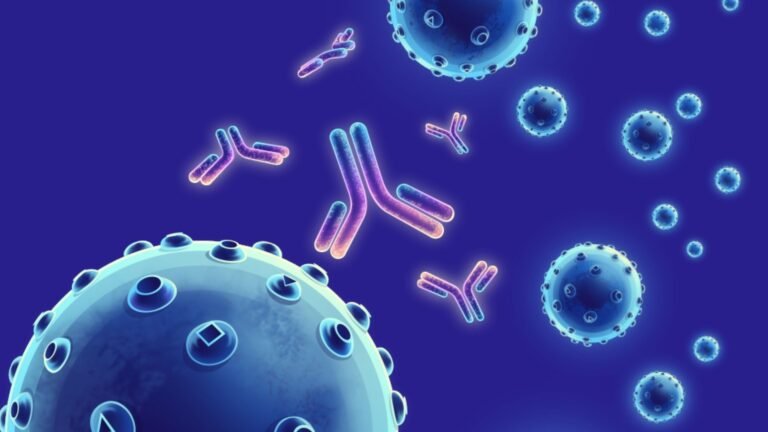
Bempikibart is a fully human anti-IL-7Rα antibody that re-regulates adaptive immune function by blocking the interleukin-7 receptor (IL-7Rα). IL-7 is a key cytokine that plays a role in the development and maintenance of T cells, which are immune cells that are thought to be involved in the pathogenesis of alopecia areata.
“The initiation of this Phase 2 study marks a significant milestone in the development of bempikibart for the treatment of severe alopecia areata,” said David Erle, MD, Chief Medical Officer of Q32 Bio. “We are encouraged by the preclinical data for bempikibart and believe it has the potential to be an effective and well-tolerated treatment for patients with this challenging disease.”
“Alopecia areata can have a profound impact on a person’s quality of life,” said Alison Mason, Head of R&D at Horizon Therapeutics. “We are committed to developing innovative therapies that address the unmet needs of patients with alopecia areata, and we are excited to be collaborating with Q32 Bio to advance bempikibart into this Phase 2 study.”
Read Also: Scalp ringworm, can it make you permanently bald?
Dr. Sarah Thompson, lead investigator of the trial and a prominent figure in dermatological research, expressed optimism about the potential impact of Bempikibart. “The initiation of this Phase 2 trial is a pivotal moment in the pursuit of effective treatments for severe Alopecia Areata. Bempikibart’s unique mechanism of action offers a promising avenue for addressing the underlying causes of this condition,” remarked Dr. Thompson.
The Phase 2 study is expected to enroll approximately 120 adults with severe alopecia areata. Patients will be randomized to receive either bempikibart or placebo.
The primary endpoint of the study is the proportion of patients who achieve a SALT score of 50 or greater at week 24. The SALT score is a validated assessment tool for measuring hair loss in alopecia areata.
Q32 Bio and Horizon Therapeutics are also collaborating on the development of bempikibart for the treatment of atopic dermatitis. A Phase 2 study of bempikibart in adults with moderate to severe atopic dermatitis is ongoing.
Source:
- Pharmiweb: https://www.pharmiweb.com/press-release/2023-09-13/q32-bio-and-horizon-therapeutics-plc-announce-dosing-of-first-patient-in-phase-2-trial-of-bempikibar
- Prnewswire: https://www.prnewswire.com/news-releases/q32-bio-and-horizon-therapeutics-plc-announce-dosing-of-first-patient-in-phase-2-trial-of-bempikibart-formerly-adx-914-for-severe-alopecia-areata-301622453.html
What Is Alopecia Areata?
Alopecia areata is an autoimmune condition where the immune system mistakenly attacks hair follicles, causing hair to fall out in patches. In severe cases it spreads to the whole scalp (alopecia totalis) or the entire body (alopecia universalis). It affects people of all ages, often appears suddenly, and can have a heavy emotional toll. Unlike male pattern baldness, the follicles are not destroyed, which is why regrowth is possible if the immune attack can be calmed.
Why a New Drug Matters
For years there were few good options for severe alopecia areata. The recent wave of treatments, led by JAK inhibitors, targets the specific immune signals behind the attack rather than suppressing the whole immune system. A drug reaching Phase 2 means it has cleared early safety testing and is now being studied in a larger group to measure how well it works and at what dose. It is an encouraging step, though still some way from pharmacy shelves.
What This Means for Patients
More candidates in the pipeline means more chances that one proves both safe and effective, and more competition tends to improve access over time. If you or someone you know lives with severe alopecia, the practical takeaway is to stay in touch with a dermatologist, since the treatment landscape is moving quickly and approved options are expanding.
Frequently Asked Questions
When could this drug be available?
Phase 2 is a mid-stage trial. A successful drug still needs Phase 3 and regulatory approval, which usually takes several more years.
Does it cure alopecia areata?
These treatments aim to control the immune attack and regrow hair, not permanently cure the underlying tendency. Hair can fall out again if treatment stops.
Is it the same as treatment for male pattern baldness?
No. This targets an autoimmune cause. Male pattern baldness is driven by hormones and genetics and uses different treatments.