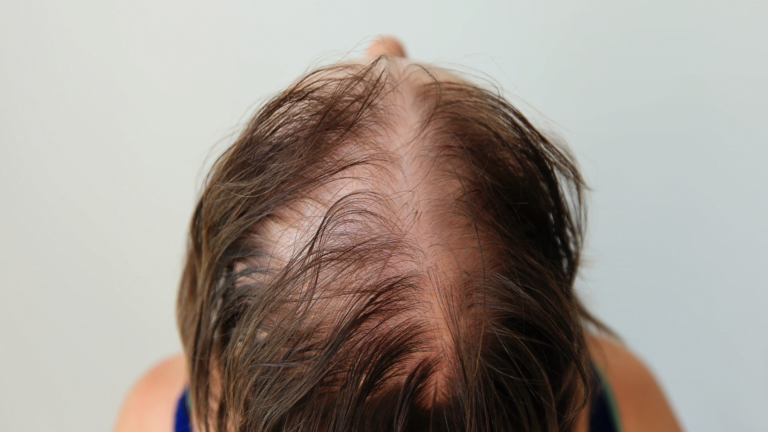
Legacy Healthcare announced today that the European Medicines Agency (EMA) has validated the company’s Marketing Authorisation Application (MAA) for Coacillium for the treatment of moderate and severe alopecia areata in children and adolescents.
Alopecia areata is an autoimmune disorder that causes hair loss. It affects about 2% of the population, and children and adolescents are particularly vulnerable.
Coacillium is a topical treatment that is applied to the scalp. In clinical trials, Coacillium was shown to be effective in improving hair growth in children and adolescents with alopecia areata.
The validation of the MAA is an important milestone for Legacy Healthcare. It means that the EMA has accepted the company’s application for review.
The EMA will now assess the data submitted by Legacy Healthcare to determine whether Coacillium is safe and effective for the treatment of alopecia areata in children and adolescents.
If the EMA approves Coacillium, it would be the first new treatment for alopecia areata in children and adolescents in more than 20 years.
“We are very pleased that the EMA has validated our MAA for Coacillium,” said Saad Harti, CEO of Legacy Healthcare. “This is a significant milestone for our company, and we are confident that Coacillium has the potential to make a real difference in the lives of children and adolescents with alopecia areata.”
The EMA’s decision on Coacillium is expected in 2024.
Source:
- https://www.prnewswire.com/news-releases/legacy-healthcare-announces-ema-validation-of-marketing-authorisation-application-maa-for-coacillium-for-the-treatment-of-moderate-and-severe-alopecia-areata-in-children-and-adolescents-301570725.html
Why Severe Alopecia Is Harder in Children
Alopecia areata is tough at any age, but for children it carries an extra weight. Hair loss can affect confidence and school life during years when fitting in feels important, and until recently most treatments were tested mainly in adults. That left families with few approved options for severe cases. This is why a regulatory review aimed at younger patients matters so much: it could open a proven treatment to the group that has had the fewest choices.
What an EMA Review Actually Means
When the European Medicines Agency reviews a treatment, it weighs the trial evidence on how well the drug works against its safety, then decides whether to recommend approval and for which patients. A review focused on children signals that the data in younger age groups is strong enough to consider. It is not a guarantee of approval, but it is a meaningful step, and a positive outcome would expand access across Europe.
What Families Can Do Now
If your child lives with severe alopecia, a pediatric dermatologist is the best guide to current and upcoming options, including clinical trials. Beyond medical treatment, support matters: connecting with alopecia charities, school awareness, and peer groups can make a real difference to a child’s confidence while the science catches up.
How Treatment for Children Has Changed
Until recently, options for children with severe alopecia areata were limited and often borrowed from adult care without strong evidence in younger patients. The arrival of targeted treatments known as JAK inhibitors changed the picture, and trials have increasingly included adolescents. Regulators in both Europe and the United States have started extending approvals to younger age groups as the safety and effectiveness data builds. This matters because childhood is exactly when the social and emotional weight of hair loss hits hardest, so having an approved, studied option rather than an off-label guess gives families and doctors far more confidence in the decisions they make together.
Frequently Asked Questions
Can children take alopecia areata medication?
Some newer treatments are being studied and approved for adolescents. A specialist can advise what is suitable by age.
Will my child’s hair grow back?
Regrowth is possible because the follicles are not destroyed, but results vary and hair can shed again. Treatment aims to control the condition.
Is childhood alopecia permanent?
Not necessarily. Many children see regrowth, sometimes on their own, though severe cases are more likely to need treatment.